Health Risks of Asbestoses and Protective Measures
Asbestoses refers to a group of lung diseases caused by the inhalation of asbestos fibers. These diseases include asbestosis, mesothelioma, and other asbestos-related conditions. Exposure typically occurs in occupational settings, especially in construction, manufacturing, and demolition industries. The latency period for asbestos-related diseases can span decades, making early detection and prevention critical.
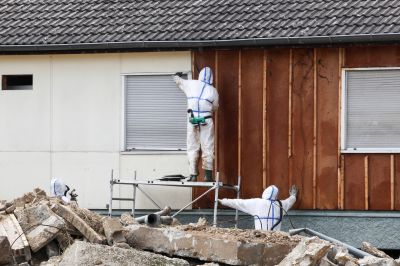
Materials containing asbestos were commonly used in building insulation, roofing, and flooring. Proper removal and handling are essential to prevent fiber release.
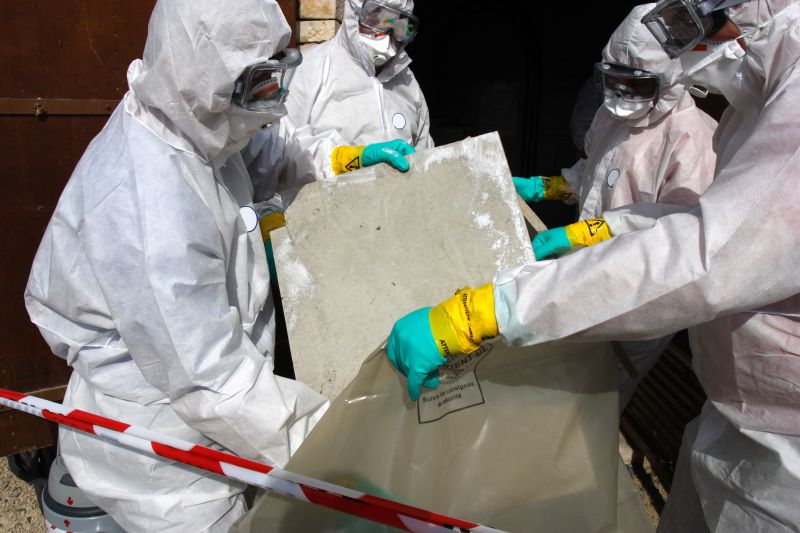
Professional asbestos abatement involves sealing off affected areas, safely removing asbestos-containing materials, and disposing of them according to regulations.
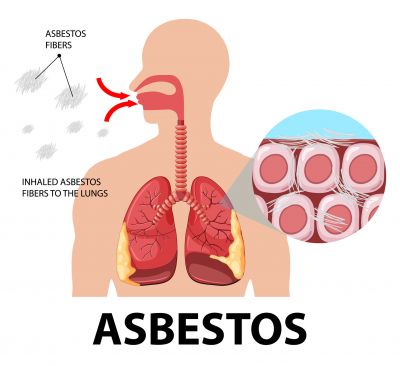
Prolonged exposure to asbestos fibers can lead to serious health issues, including lung scarring and cancer. Protective measures are vital for workers.
The development of asbestoses involves a prolonged exposure period, with symptoms often not appearing until many years after initial contact. The disease manifests through symptoms such as shortness of breath, persistent cough, and chest pain. Advanced cases may lead to respiratory failure and other severe health complications.
The process of diagnosing asbestoses typically includes imaging tests like X-rays or, CT scans, lung function tests, and a detailed occupational history. A thorough assessment by specialists is necessary to confirm the presence of asbestos-related conditions.
Duration and Professional Involvement in Asbestoses Removal
Removing asbestos materials is a complex process that usually takes several days to weeks, depending on the extent of contamination. The procedure requires specialized equipment, protective gear, and adherence to strict safety protocols to prevent fiber dispersion.
Hiring experienced professionals ensures that asbestos removal complies with safety standards, reducing health risks for occupants and workers. Proper disposal of asbestos waste is also a critical component of the process.
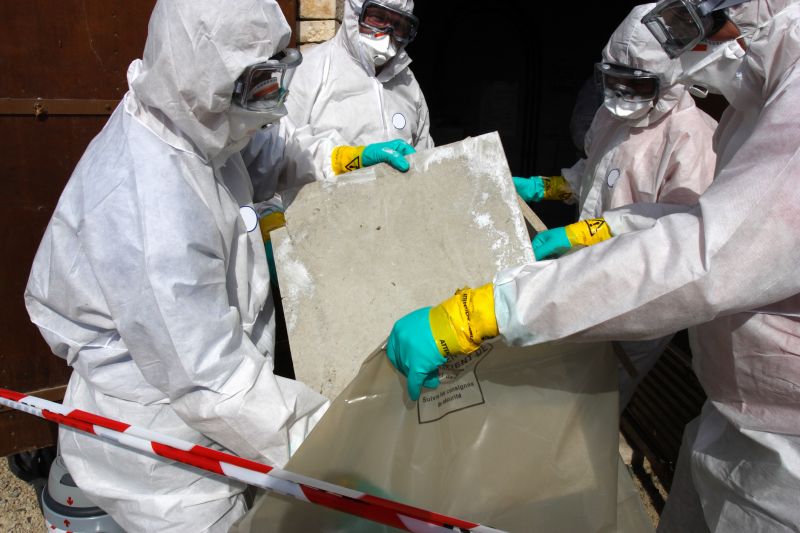
Specialized tools and protective gear are used during removal to contain fibers and ensure safety.
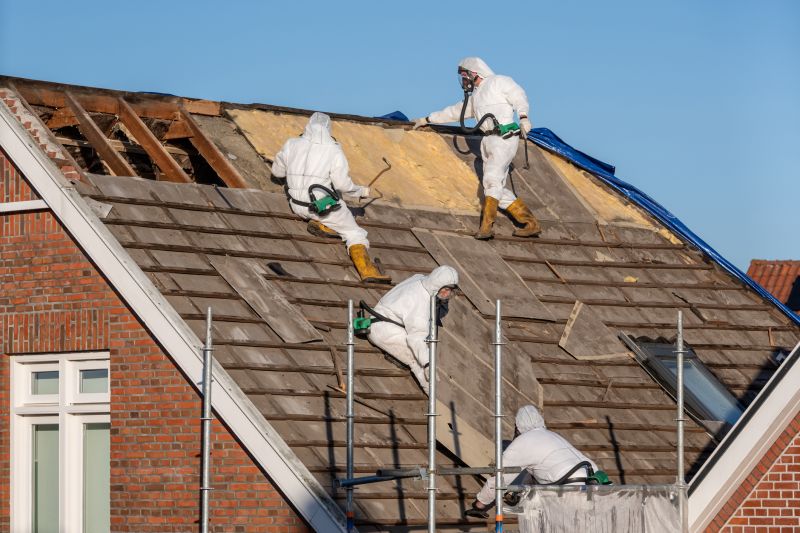
Trained specialists handle the entire process from assessment to disposal, minimizing health hazards.
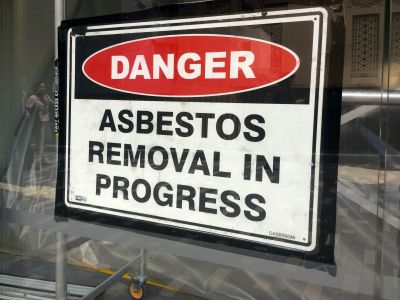
Finished work shows the safe removal of asbestos materials, restoring safety to the environment.
Engaging professionals for asbestos removal is highly recommended due to the health risks involved and the technical expertise required. Proper procedures not only ensure compliance with regulations but also protect the health of building occupants and workers.
At the conclusion of the removal process, thorough inspection and air testing verify that the environment is safe. Ongoing monitoring may be necessary in some cases to ensure continued safety.
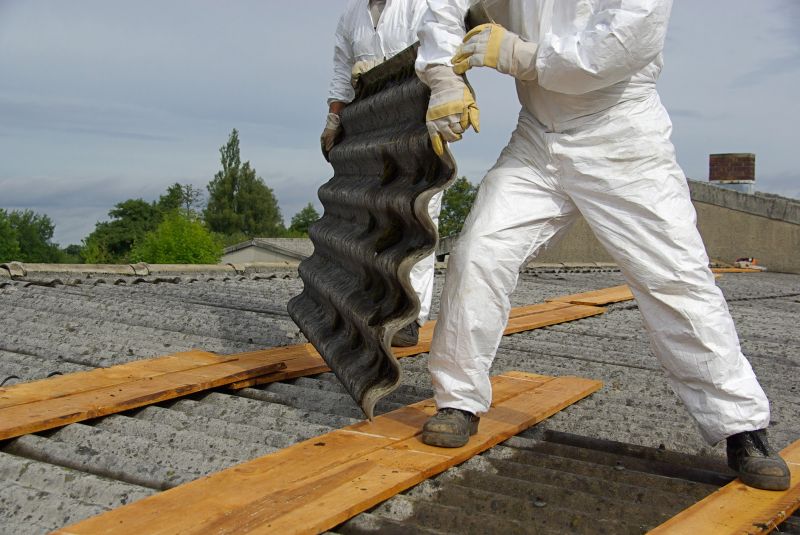
Inspectors verify that all asbestos has been safely removed and the environment is secure.
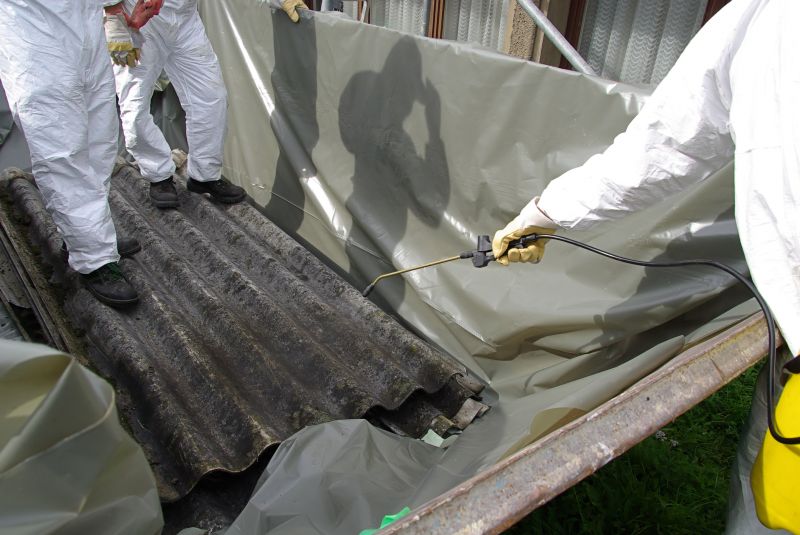
Proper containment and transportation of asbestos materials prevent environmental contamination.
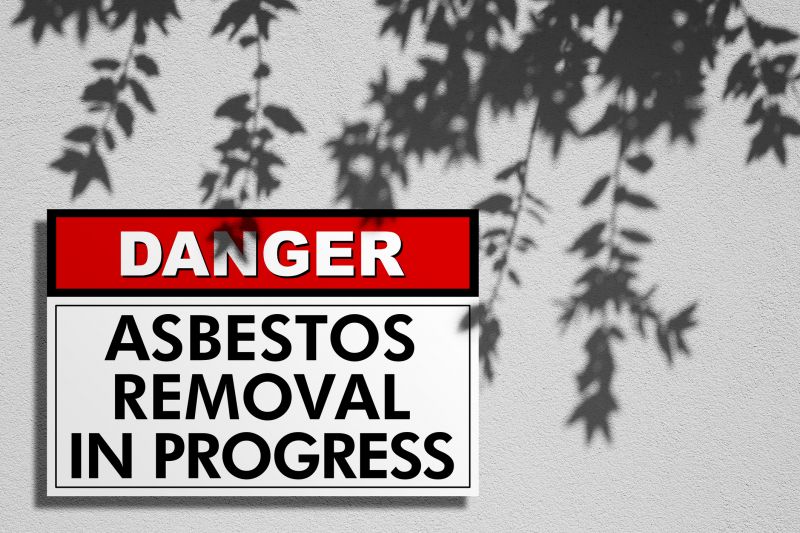
The space is restored to a safe condition, free from asbestos hazards.
For those seeking to address asbestos-related concerns, obtaining a quote for removal services involves a detailed assessment of the site and the extent of contamination. Professionals can provide comprehensive estimates and outline the necessary steps to ensure safety and compliance.
Interested parties are encouraged to contact qualified specialists to discuss their needs and receive tailored advice on asbestos management and removal options.