Optimal Timing for Asbestoses Assessment
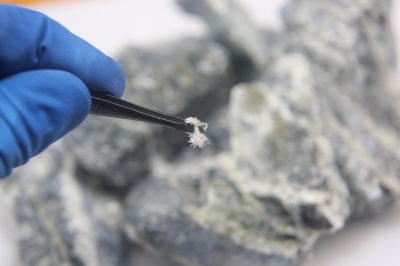
Asbestoses refers to the condition caused by inhalation of asbestos fibers, which can lead to serious respiratory diseases. The timing of exposure plays a crucial role in the development and detection of asbestoses. Understanding optimal periods for assessment and intervention can improve health outcomes and safety measures.
Identifying asbestos exposure early can facilitate monitoring and prevent severe health issues.
Workers in construction, shipbuilding, and manufacturing face increased risk during active employment phases.
Regular health checks are recommended years after exposure to detect early signs of asbestoses.
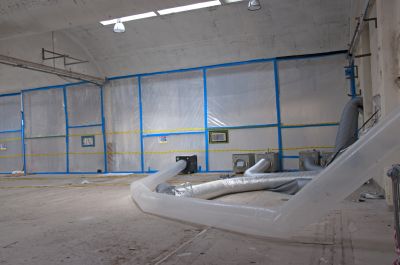
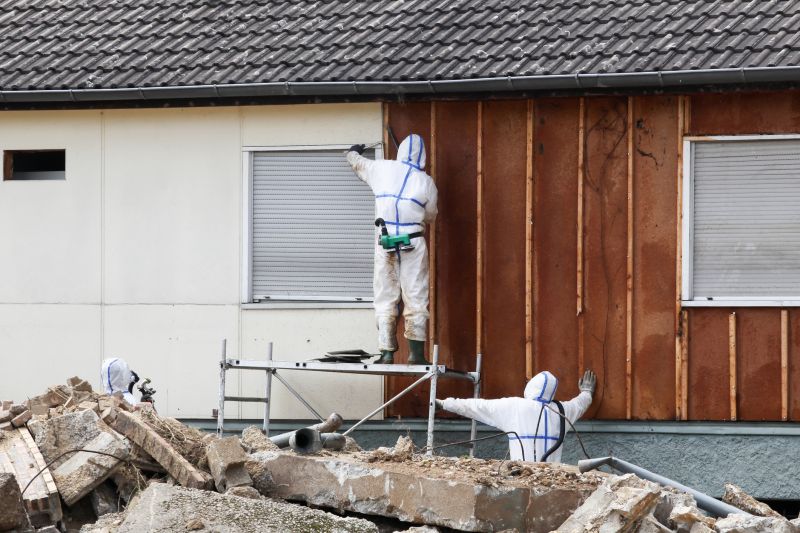
Exposure timing can be influenced by renovations or demolitions that disturb asbestos-containing materials.
Ways to make Asbestoses work in tight or awkward layouts.

Popular materials for Asbestoses and why they hold up over time.

Simple add-ons that improve Asbestoses without blowing the budget.

High-end options that actually feel worth it for Asbestoses.
| Timing Aspect | Details |
|---|---|
| Exposure Duration | Prolonged exposure increases risk, especially during active work periods. |
| Latency Period | Symptoms often develop decades after initial exposure. |
| Monitoring Frequency | Regular health assessments are recommended every few years post-exposure. |
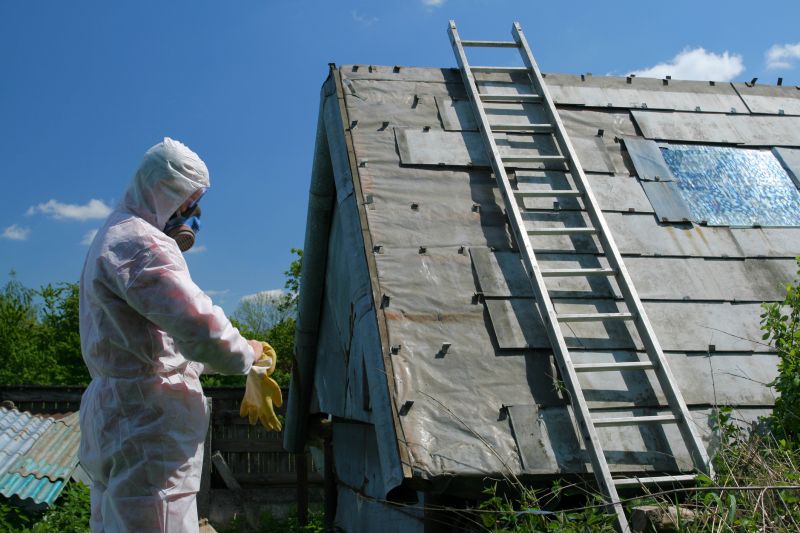
| High-Risk Activities | Renovation or removal of asbestos materials should be scheduled with safety in mind. |
| Environmental Disturbance | Periods of building demolition or repair can elevate exposure risk. |
| Regulatory Compliance | Adherence to safety standards during specific periods minimizes risk. |
Asbestoses is a progressive lung disease resulting from inhaling asbestos fibers. It is characterized by scarring of lung tissue, which can impair respiratory function. The disease often manifests after a latency period, sometimes spanning several decades following initial exposure. Statistics indicate that occupational exposure accounts for the majority of diagnosed cases, with increased risks observed in industries such as construction, shipbuilding, and manufacturing. Proper timing of assessments, safety measures, and environmental controls are essential to mitigate health impacts associated with asbestos exposure.
Finishes and colors that play nicely with Asbestoses.

Little measurements that prevent headaches on Asbestoses day.

A 60-second routine that keeps Asbestoses looking new.
A frequent mistake in Asbestoses and how to dodge it.

Small tweaks to make Asbestoses safer and easier to use.
Lower-waste or water-saving choices for Asbestoses.

The short, realistic tool list for quality Asbestoses.
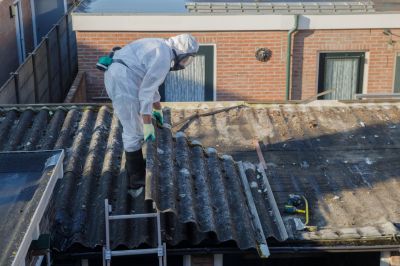
Rough timing from prep to clean-up for Asbestoses.

Quick checks and paperwork to keep after Asbestoses.
Individuals with prior asbestos exposure should consider periodic medical evaluations, even years after initial contact. Early detection of asbestoses can help manage symptoms and improve quality of life. Awareness of high-risk periods and environmental factors can guide safe practices and timely interventions.
If interested in assessing asbestos exposure or scheduling health checks, it is advisable to contact a qualified professional for guidance and support. Proper timing and proactive management are key to addressing the risks associated with asbestoses.