
Popular Products For Asbestoses Care and Relief
Discover widely recommended products that support comfort and health for those dealing with asbestoses symptoms.
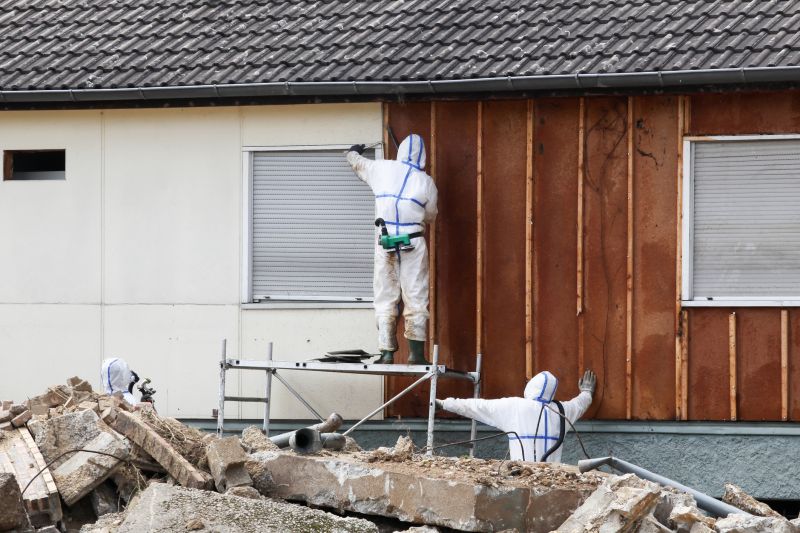 Products designed for managing asbestos exposure are essential tools for safety and remediation efforts. These products include specialized protective gear, containment materials, and cleaning supplies that help minimize health risks associated with asbestos fibers. Proper handling and removal of asbestos require a comprehensive set of equipment to ensure safety for both professionals and DIY enthusiasts. The selection of appropriate products depends on the scope of the project, the type of asbestos present, and regulatory guidelines.
Top Overall Option
Comprehensive Asbestos Safety Kit
A comprehensive asbestos safety kit typically includes a high-quality respirator, disposable protective suits, gloves, eye protection, containment plastic sheeting, sealing tapes, HEPA vacuum, and disposal bags. These kits are designed to provide all-in-one safety solutions for both professionals and DIY homeowners undertaking asbestos-related tasks. They support adherence to safety standards and help streamline the process of asbestos management, making them a versatile choice for various project sizes and complexities.
Types of Products For Asbestoses
Respirators and Masks
Designed to filter airborne asbestos fibers, these respirators and masks are essential for breathing protection during removal or disturbance activities.
Disposable Protective Suits
Full-body suits made from durable, tear-resistant materials to prevent skin contact with asbestos fibers.
Gloves and Hand Protection
Heavy-duty, disposable gloves that offer a barrier against asbestos fibers during handling and cleanup.
Eye and Face Protection
Goggles and face shields to protect eyes from dust and fibers during asbestos work.
Containment and Plastic Sheeting
Heavy-duty plastic sheeting and sealing tapes used to isolate work areas and prevent fiber spread.
Negative Air Machines
HEPA-filtered air filtration systems that create negative pressure environments to contain asbestos fibers.
HEPA Vacuums
Vacuum cleaners equipped with HEPA filters designed to safely remove asbestos dust and debris.
Encapsulation Products
Specialized coatings and sealants used to encapsulate asbestos-containing materials, preventing fiber release.
Disposal Containers
Leak-proof, labeled disposal bags and containers for safe transport and disposal of asbestos waste.
Asbestos Test Kits
Sampling kits for preliminary identification of asbestos in building materials.
Remediation Tools
Specialized tools such as scrapers, wire brushes, and removal blades for asbestos material handling.
Decontamination Showers
Portable or fixed decontamination units for thorough cleaning after asbestos work.
Warning and Signage
Clear signage and warning labels to mark asbestos work areas and ensure safety protocols.
Work Gloves
Disposable or reusable gloves designed specifically for handling hazardous materials safely.
Air Monitoring Devices
Portable air sampling devices to monitor fiber levels during and after asbestos removal.
Popular Choices
Many users select high-filtration respirator masks for respiratory protection during asbestos handling.
Disposable suits that provide a barrier against asbestos fibers, favored for their convenience.
HEPA-filtered vacuums are commonly used for cleaning asbestos debris and dust safely.
Heavy-duty plastic sheeting for creating containment zones during asbestos removal.
Protective goggles are frequently chosen for eye safety during asbestos work.
Specialized sealing tapes used to secure plastic sheeting and containment areas.
Leak-proof bags designed for the safe disposal of asbestos waste materials.
Encapsulation products are popular for sealing asbestos-containing materials in place.
Portable negative air units are frequently used to control airborne fibers during projects.
DIY testing kits are often sought for initial asbestos identification in building materials.
Portable decontamination units are gaining popularity for post-removal cleaning.
Clear warning signs are commonly used to mark asbestos work zones for safety.
Disposable gloves are frequently chosen for handling asbestos materials safely.
Personal protective equipment (PPE) such as respirators, disposable suits, gloves, and eye protection form the first line of defense against asbestos fibers. These items are designed to prevent inhalation and skin contact during removal or disturbance activities. Containment products like plastic sheeting, sealing tapes, and negative air machines help create controlled environments that prevent asbestos fibers from spreading to other areas. Cleaning supplies, including HEPA vacuums and wet wipes, are critical for thorough decontamination after work is completed.
In addition to safety gear, specialized tools like asbestos removal kits, encapsulation products, and disposal containers are vital for proper handling and disposal. These products are formulated to meet safety standards and facilitate compliance with health regulations. Whether dealing with small-scale repairs or large remediation projects, selecting the right combination of products ensures that asbestos management is conducted safely and effectively. Proper education and adherence to safety protocols are equally important when working with asbestos-related materials.
Key Buying Considerations
- Certification and compliance with safety standards and regulations.
- Appropriate filtration efficiency, especially for respirators and vacuums.
- Comfort and fit of protective gear for extended use.
- Durability and tear resistance of suits and gloves.
- Compatibility of containment products with existing space and materials.
- Ease of use and setup for containment and safety equipment.
- Disposal methods and availability of compliant waste containers.
- Availability of replacement parts and consumables like filters and tapes.
- Level of protection offered against fiber penetration and skin contact.
- Ease of decontamination and cleaning after use.
- Product reviews and user feedback for reliability and effectiveness.
- Cost-effectiveness relative to project scope and safety requirements.
- Availability of training or instructions for proper use.
- Storage and shelf life of safety supplies and containment materials.
- Compatibility with other safety protocols and personal protective equipment.